Embedded AI at the Edge
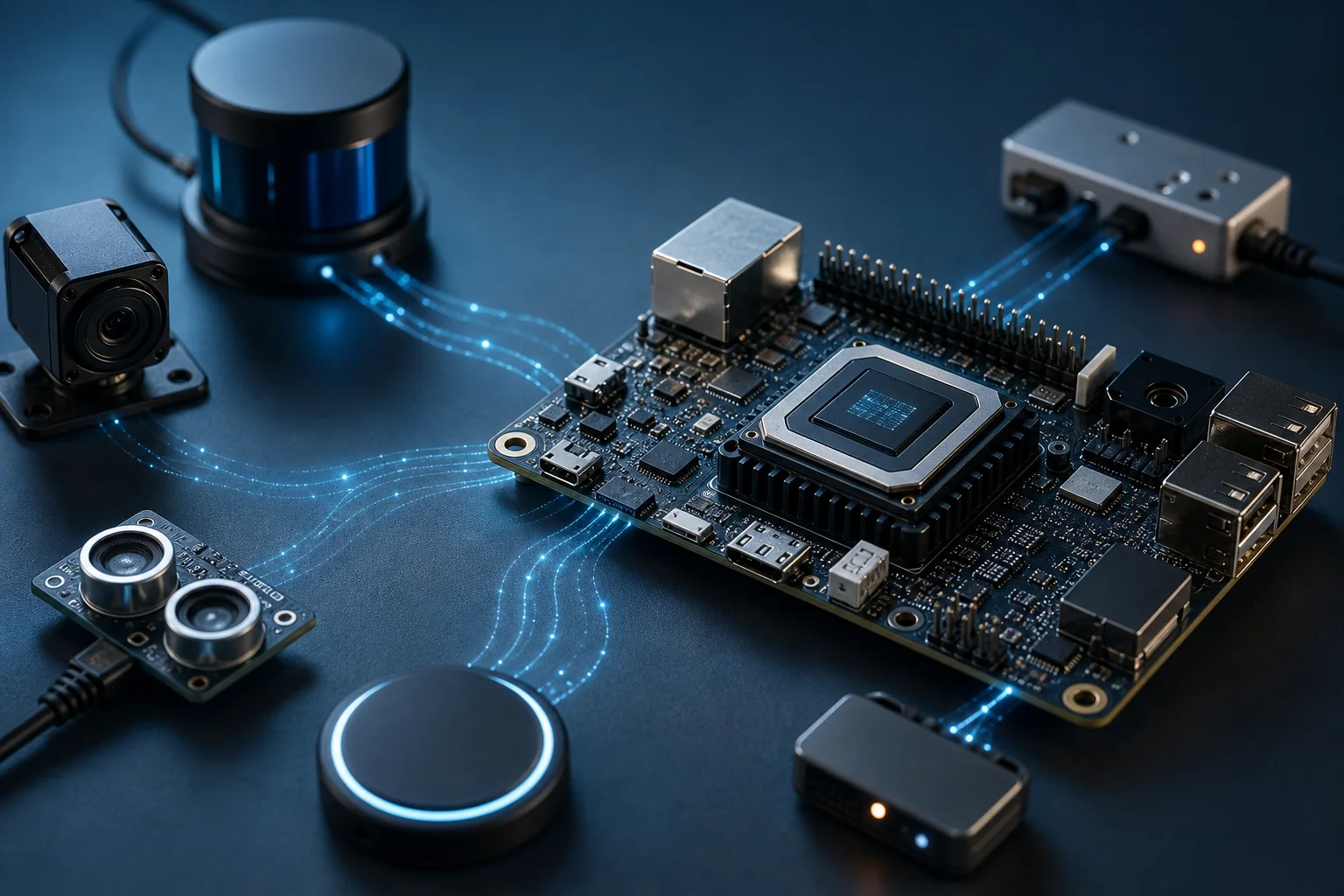
Hardware-aware training, partitioning, and inference methods that bring capable machine learning to constrained edge platforms.
- On-device intelligence
- Distributed DNNs
- Resource-aware inference
 NESTNext-generation Embedded Systems Research LabJoin the lab ↗
We design software methods around the physical constraints that define embedded and cyber-physical systems.
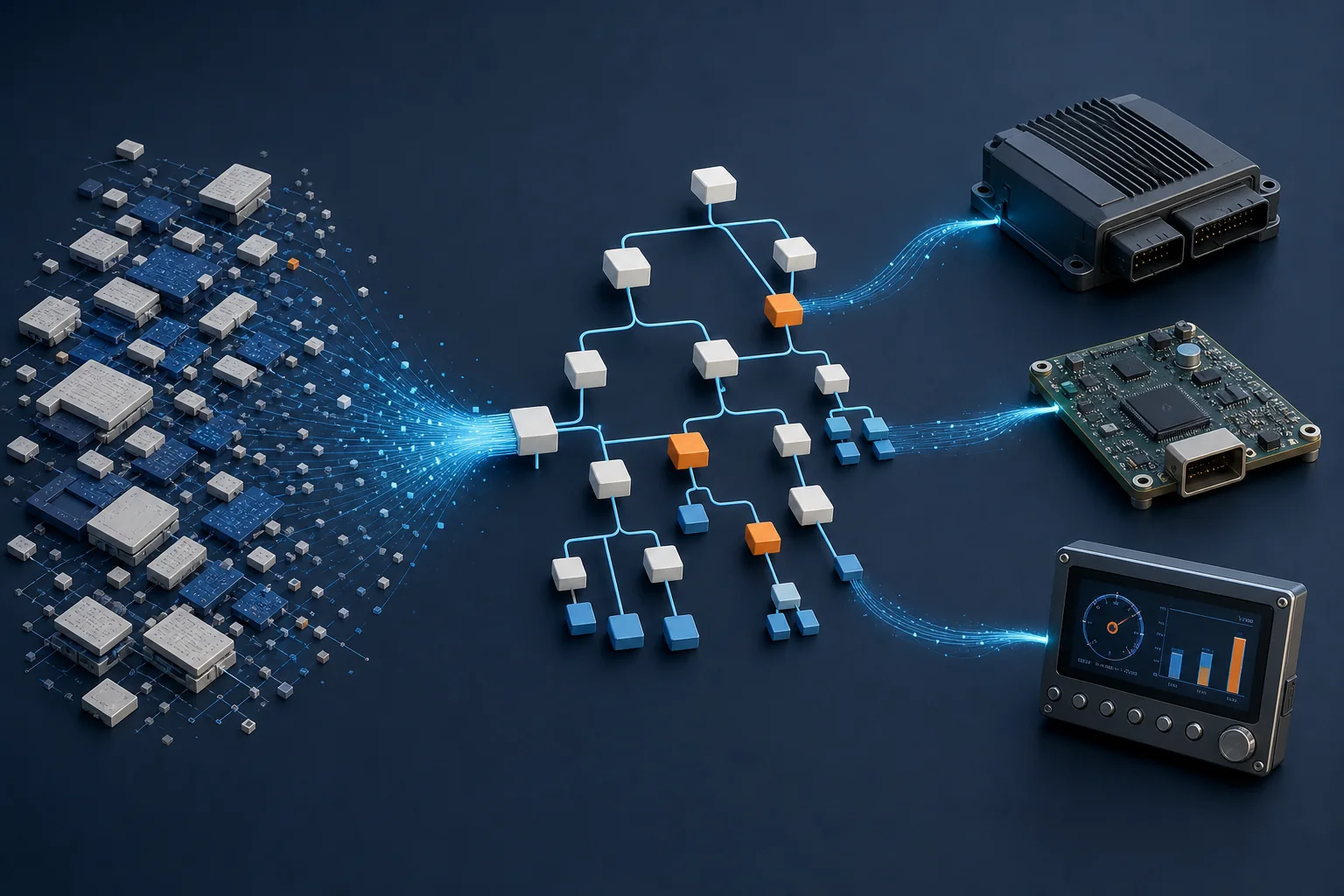
Hardware-aware training, partitioning, and inference methods that bring capable machine learning to constrained edge platforms.
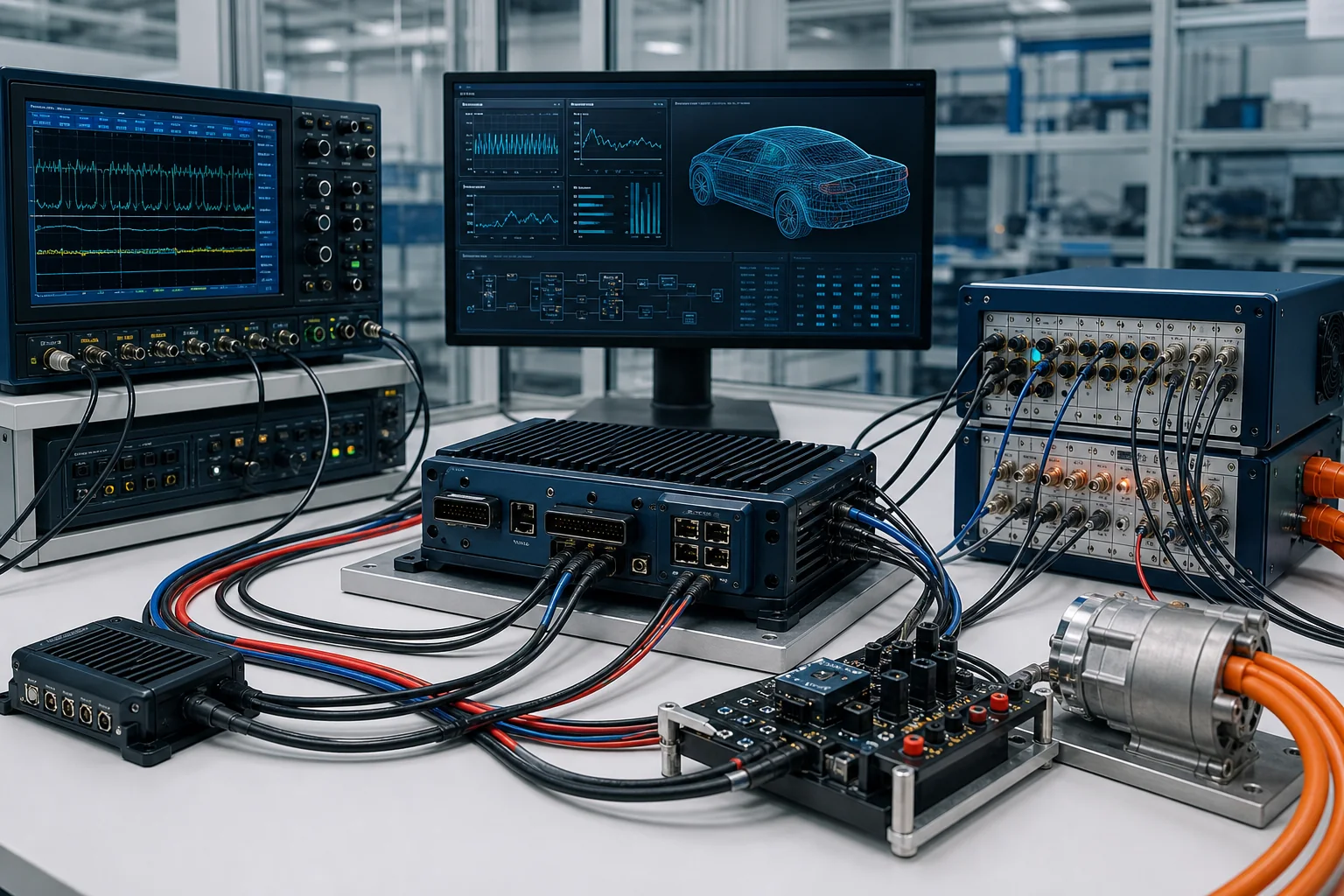
Testing, calibration, and runtime assurance for systems where timing, safety, and reliability are non-negotiable.
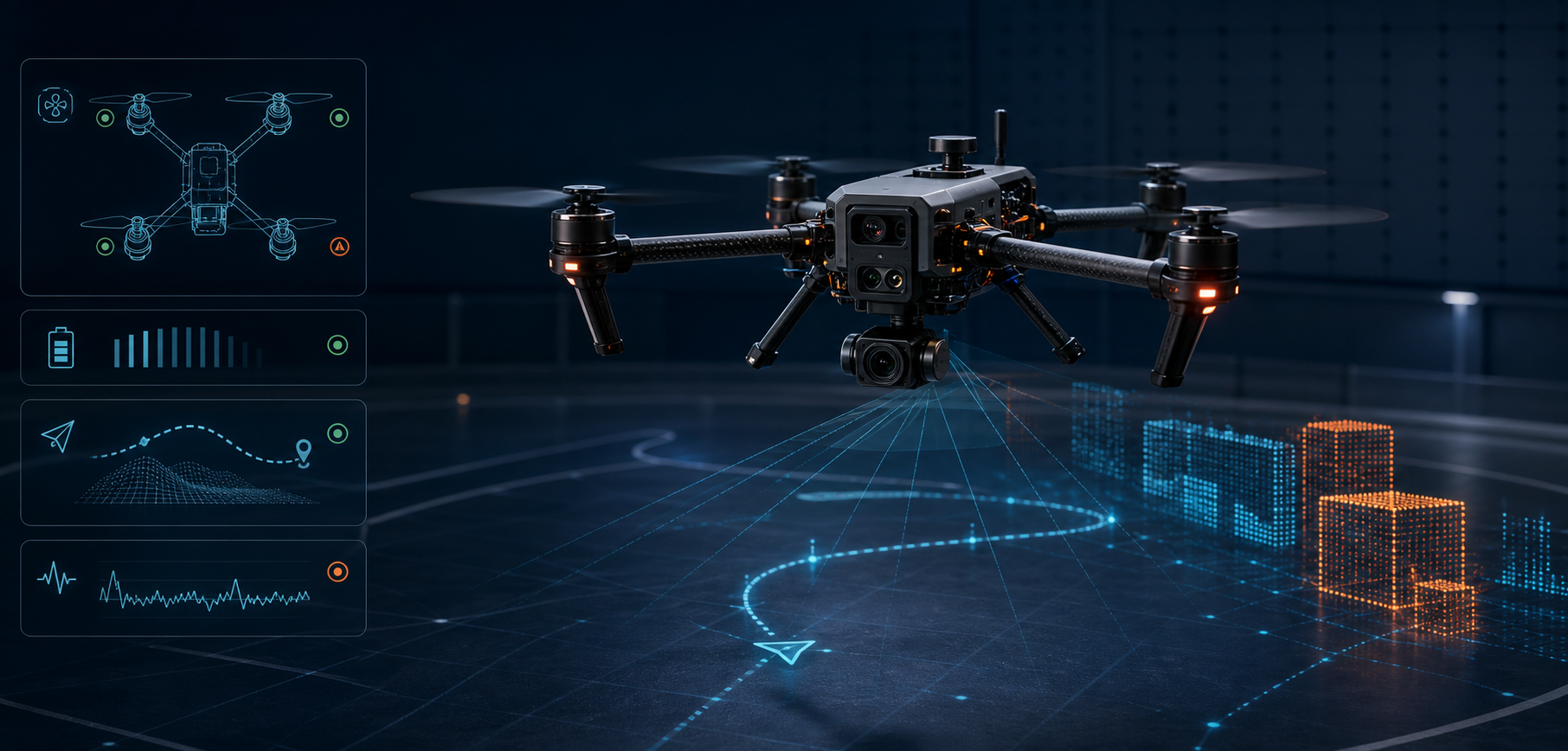
Perception, planning, health monitoring, and resilient software pipelines for UAVs, vehicles, and robotic platforms.
Embedded optimization and intelligent control for grid resilience, battery energy storage, and IoT monitoring.
AI-assisted feature discovery and certification-aware delivery pipelines for long-lived embedded software.
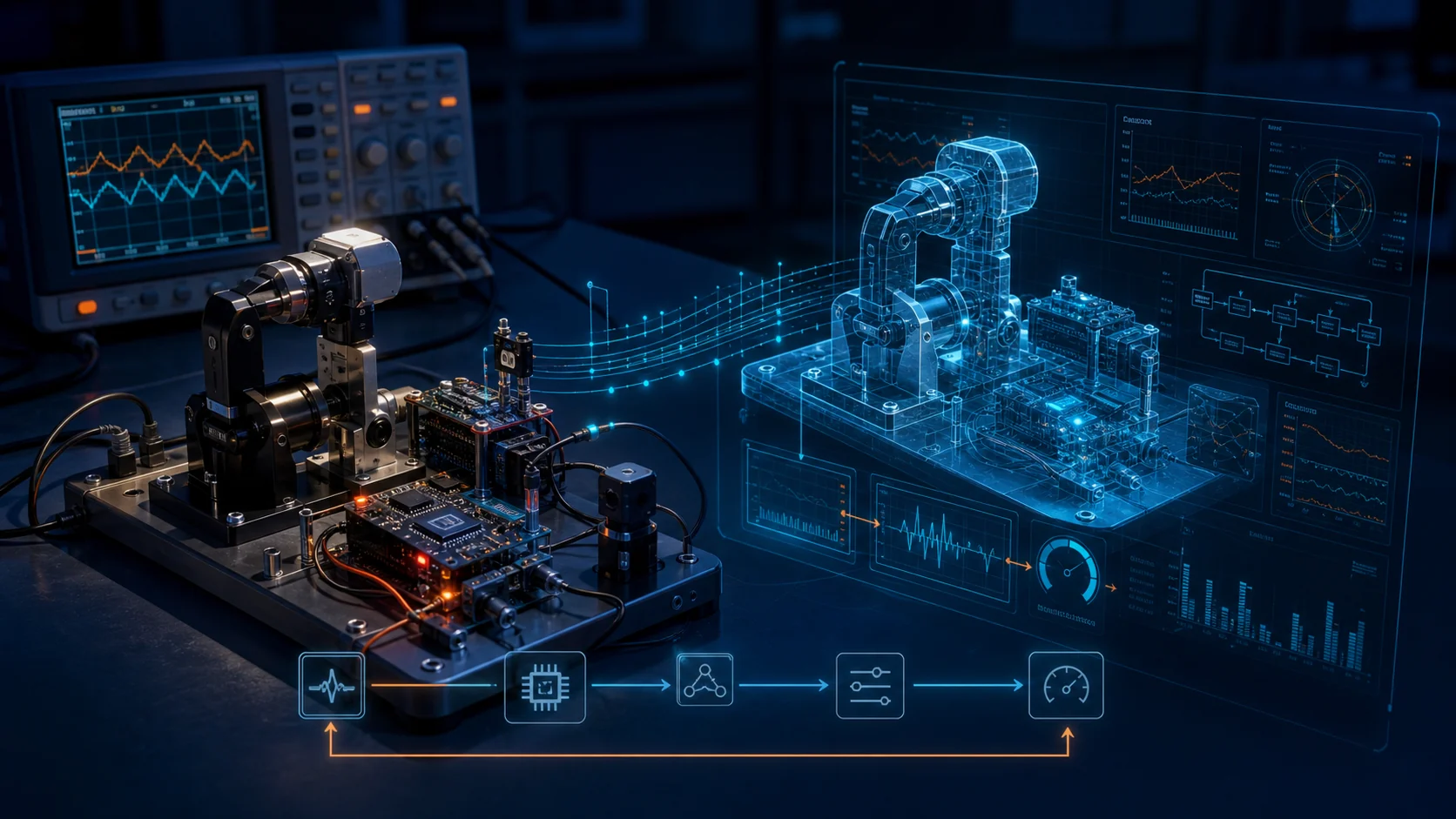
Model-driven integration of sensing, computation, networking, and physical processes for observable and resilient intelligent systems.
Resource-aware scheduling, workload partitioning, and parallel execution across multicore, GPU, edge, and cloud platforms.
Formalize constraints, system behavior, and measurable research questions.
Create software tools, simulations, and physical prototypes.
Evaluate on realistic workloads and hardware testbeds.
Share reproducible results with academic and industry partners.